


Specialized Services
Adults supported through Adult Protective Services
Children Supported Through Early Childhood Services
Adults Supported Through Family Support Coordination
People Supported through Behaviour Services
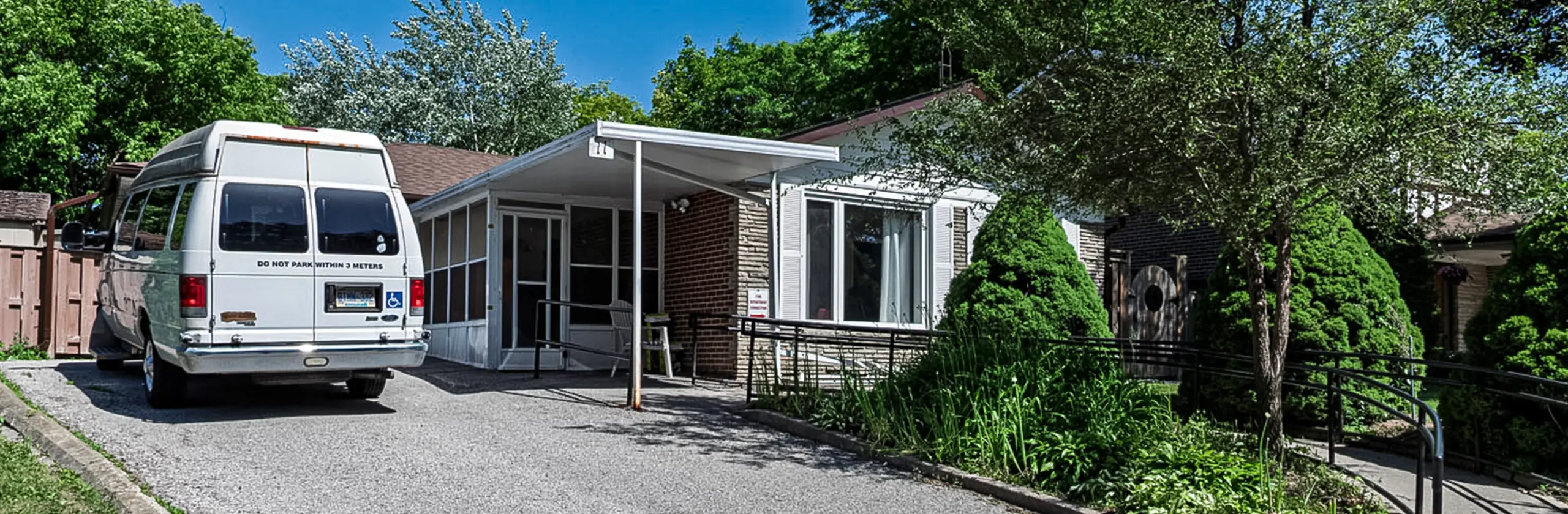
Supported Living
Specialized Resource Homes
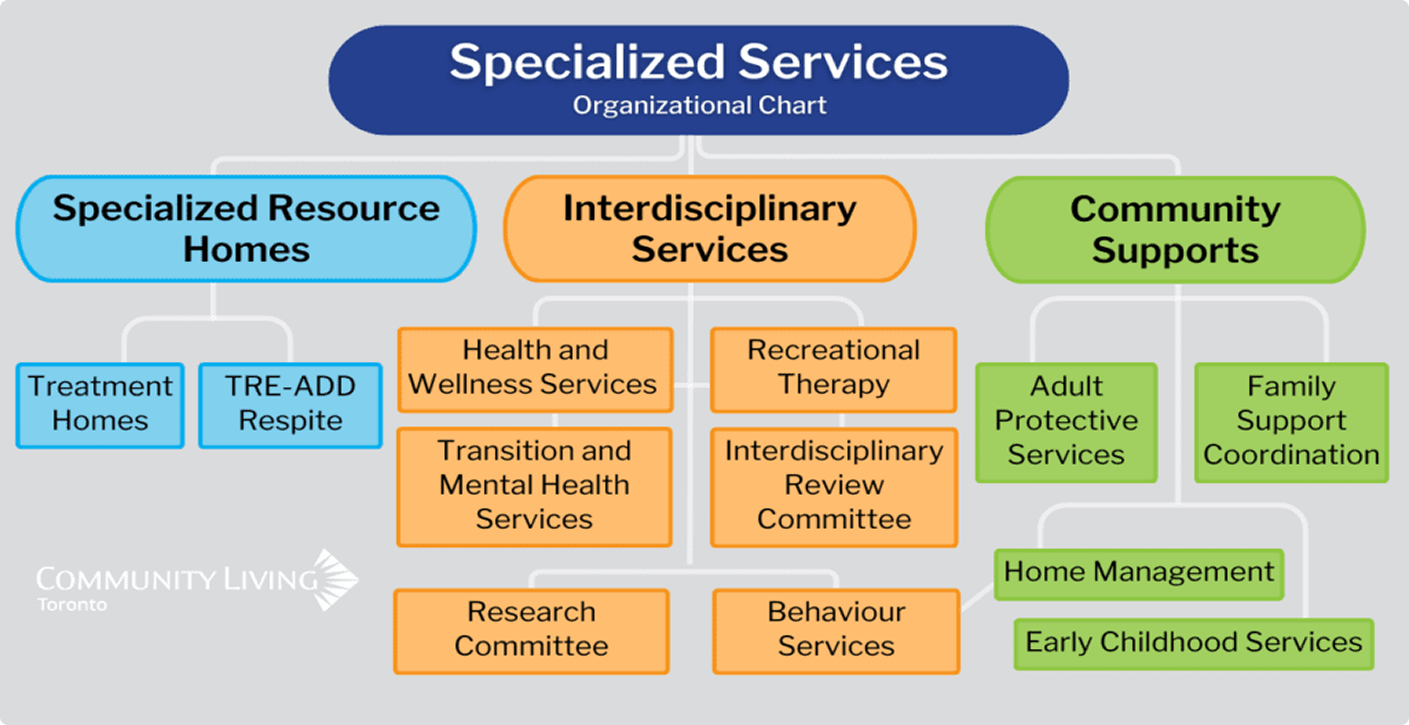
Specialized Resource Homes are a group of supported living programs for both adults and children who have a diagnosis of autism spectrum disorder, present with complex needs. This service uses a biopsychosocial approach within a behaviour analytic framework with the aim to reduce challenging behaviours, increase daily living skills, and build capacity for community integration.
Behaviour Analysts
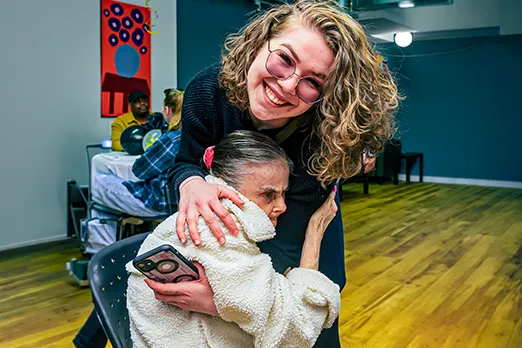
As of July 1, 2024, behaviour analysts have become a regulated health profession in Ontario. The license of behaviour analysts is overseen by the College of Psychologists and Behaviour Analysts (CPBAO).
Registered Behaviour Analyst (RBA)
All applied behaviour analytic (ABA) services provided within Community Living Toronto are overseen by a Registered Behaviour Analyst (RBA).
Access to this program is through a referral from one of our community partner agencies. Children are referred to us by Lumenus Community Services and adults are referred by Developmental Services Ontario

Case Management
Case Management
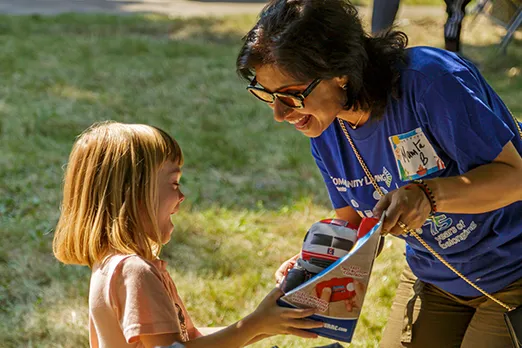
Our case management services help people with intellectual disabilities and their families get the support they need. We guide you through DSO access, connect you to the right services, and support both adults and children. We also offer practical help for families at home. Our goal is to help people manage daily life and feel included in their community.
New to Case Management
Contact Developmental Service Ontario Toronto Region (DSOTR) by phone at 1-855-DS- ADULT or (1-855-372-3858) or by email at dsotr@surreyplace.on.ca.
Once DSOTR has made a referral for case management services, if you need help again after April 1, 2025, contact Family Service Toronto by phone at 416-971-6326 X 312 or by email: DSCM@familyservicetoronto.org
*You need a DSO referral to access this service.
Adult Case Management
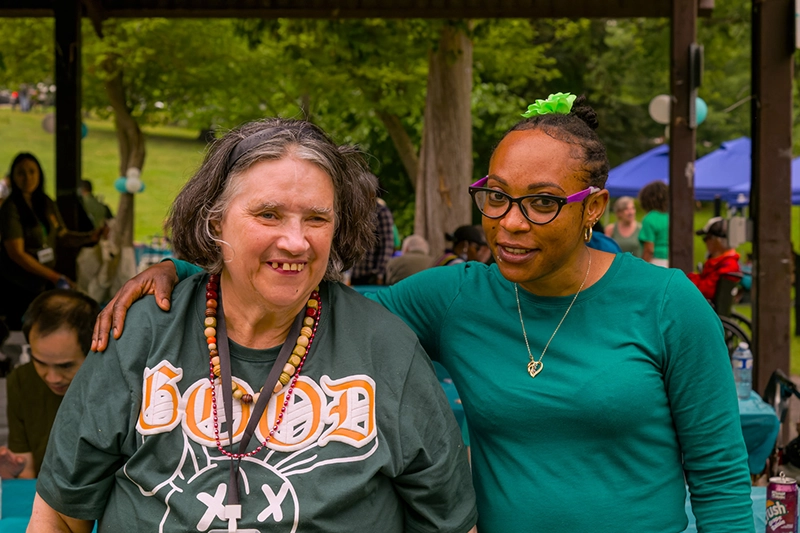
Case management provides coordinated, goal‑oriented support to adults with an intellectual disability, helping them strengthen independence, stability, and meaningful participation in their communities. Through a person‑centered and collaborative approach, case managers work alongside individuals—and when applicable, their families or support networks—to identify needs, set goals, and navigate both community‑based and government‑funded services.
Case managers facilitate access to essential supports such as income benefits, funding programs, legal resources, health services, and community organizations. They promote best practices around inclusion, advocate for equitable access to services, and help individuals build the skills and connections needed to enhance overall quality of life.
The goal of case management is to ensure that people are supported in ways that respect their autonomy, strengthen their well‑being, and foster meaningful inclusion within the community.
Family Support Coordination-Children
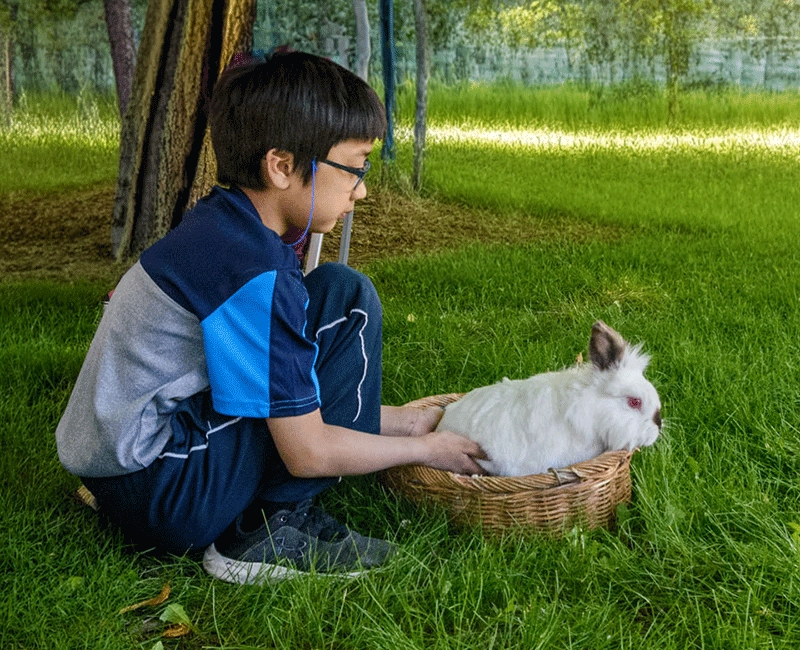
Family Support Coordinators support children with an intellectual disability who live with their families. We work alongside families to understand their goals, identify needs, and connect them with the right supports at the right time.
Using a collaborative community of practice approach, our team partners with children, their caregivers, and their wider support networks to promote inclusion and ensure each child has opportunities to thrive. We help families navigate available services, coordinate access to community resources, and advocate on their behalf to remove barriers and support equitable access.
Our focus is to strengthen family capacity, enhance quality of life, and ensure children have the tools, supports, and opportunities they need to participate fully in their communities.
If you are interested in learning more about CLTO’s Early Childhood Services, please contact our Information and Membership line by phone at 647.426.3220 or by email contactus@cltoronto.ca.

Home Management
Home Management helps children and youth develop skills that make home and community life easier. Our team provides individualized behaviour assessment and works with families to understand why challenges happen and how to support positive change. We then teach caregivers simple strategies they can use every day to reduce stress, build new skills, and help the people we support, participate more fully at home, at school, and in their community.
This intake form below helps us understand your family’s needs for home management support. Please provide as much detail as possible so we can tailor our services to you. Once the form is completed, the intake coordinator will reach out to you to schedule an intake interview.
Specialized Support
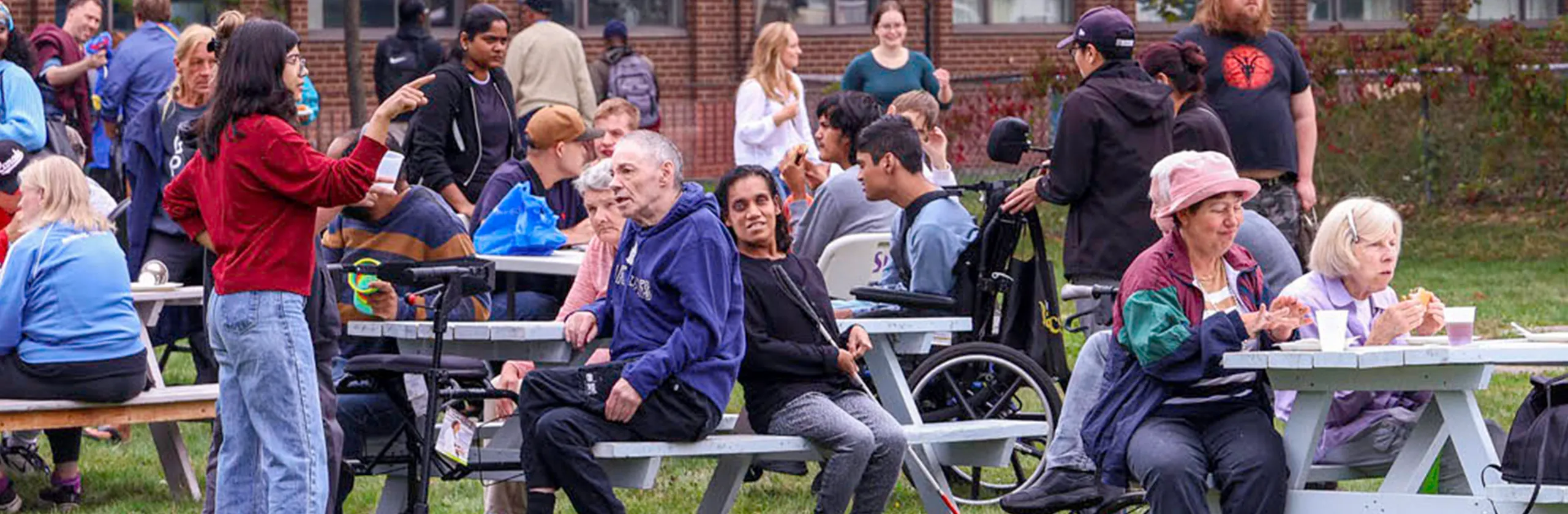
Interdisciplinary Services
Interdisciplinary services are available to all people supported by CLTO and are comprised of an interdisciplinary team specializing in health, behavioural, and transition services. These services can be accessed through an internal referral process by staff at CLTO. The interdisciplinary team works collaboratively with CLTO staff to review referrals, develop plans, implement, and monitor, as needed. Some examples of services provided by the interdisciplinary team include, but are not limited to, Regulated Health Profession Act (RHPA) training, med reviews, Mental Health First Aide (MHFA), functional behaviour assessments, intake and transition planning, and complex care coordination.
All Interdisciplinary Services are an internal service for people already supported by CLTO. If you are interested in this service, please contact your CLTO staff member. They can complete a referral for you.
Health and Wellness Services
CLTO’s health team is responsible for providing health-based assessments, including medication assessments, for the people we support. The health team identifies people who may benefit from additional services and provides access to them. These include The Plus45 Clinic, a group of interdisciplinary clinicians who provide assessments and recommendations for individuals over the age of 40, and COMDH Dental Services, which provides in-home dental services to people supported in the CLTO community.
Recreation Therapy
Recreation Therapy
Recreation Therapy is a purposeful approach that uses structured activities to enhance the well-being of people with intellectual and developmental disabilities (IDD). It aims to improve physical, emotional, cognitive, and social abilities, ultimately promoting greater participation in daily life.
Transition and Mental Health Services
The Transition Services team facilitates all external intakes to Supported Living Programs across the organization and provides support and coordination with internal moves and transitions. The team works to understand people’s needs, and then matches those needs to supports, working to ensure an alignment between support needs and services received. Transition Services provides care coordination and support during times of change, such as being discharged from hospital, moving from one home to another, or transitioning out of service.
Interdisciplinary Review Committee
Our Interdisciplinary Review Committee (IRC) was established in 2020 to ensure that our clinical services are appropriately selected, developed, implemented, and monitored, in accordance with research literature, best practice guidelines, relevant legislation and program guidelines. The committee uses a biopsychosocial model of support and includes a psychiatrist, a psychologist, a social worker, a registered nurse, a pharmacist and behaviour analysts.
Behaviour Services
Behaviour analytic services are available to people in service at CLTO. This service aims to promote adaptive skills and reduce challenging behaviours. Individual assessment and treatment of challenging behaviours could include a functional behaviour assessment, functional analysis, data collection, and staff training.
Research Committee
The Research Committee reviews and processes external research proposals focused on people with disabilities, their families, and their communities. We welcome innovative, ethical, and impactful studies that aim to enhance the quality of care, promote best practices, and support the well-being of people supported, their staff, and their families. Proposals will be evaluated based on relevance, available participants, and alignment with our mission and values. Interested researchers are encouraged to submit their proposals for review and consideration.
Referral
Therapeutic Respite
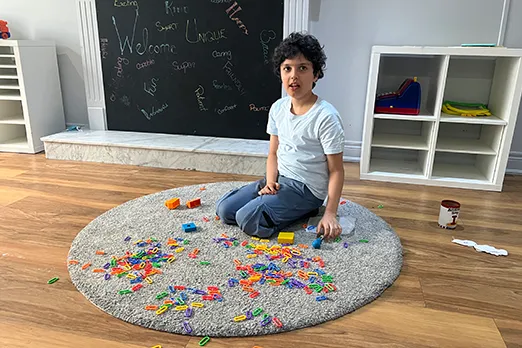
Therapeutic Respite operates in collaboration with Community Living Toronto and Lumenus.
This respite model incorporates parent coaching to support children and youth with complex developmental needs, operating Monday to Friday for 6 weeks.
This model combines:
- Respite care
- Individualized skill-building
- Behavioural intervention
- Parent coaching
- Weekend practice
How to Access
You must have a referral from the childs case manager to (SNAG) Special Needs Advisory Group.
Eligibility
- Children and Youth between the age of 5 and 17 years old
- Have an Intellectual Disability and have at least one other complex special need, which may include: Autism Spectrum Disorder, behavioural challenges and neurological disorders
- Access to respite services were unsuccessful or denied due to their behavioural profile
- Child/youth is physically able to participate in the program
- Family is willing to commit to actively participate in parent coaching
- Family is able to follow the strategies to support the transfer of skills to the home environment
- Families are able to continue the strategies during weekends and after the program
Get Started with Home Management
Complete the intake form to help us understand your family’s needs and connect you with the right support.